
Cool Comfort, Naturally: Passive Strategies That Respect Climate
Take a deep breath and step into a practical exploration of Climate-Specific Passive Cooling for Hot-Humid vs. Hot-Dry Regions. We connect climate data with delightful living, translating airflow, shade, mass, and moisture strategies into elegant spaces that feel cooler, cost less to run, and remain resilient year after year. Share your climate files, sketches, or field measurements in the comments so we can compare strategies and celebrate solutions that outperform expectations.
Comfort Starts With Climate Clarity
Before sketching forms, understand how heat, humidity, wind, and diurnal swings shape comfort. Hot-humid places punish trapped moisture and stagnant air; hot-dry landscapes challenge with fierce sun and big day-night swings. Reading climate files and psychrometric charts reveals which passive tactics truly move comfort indoors.
Adaptive comfort without myths
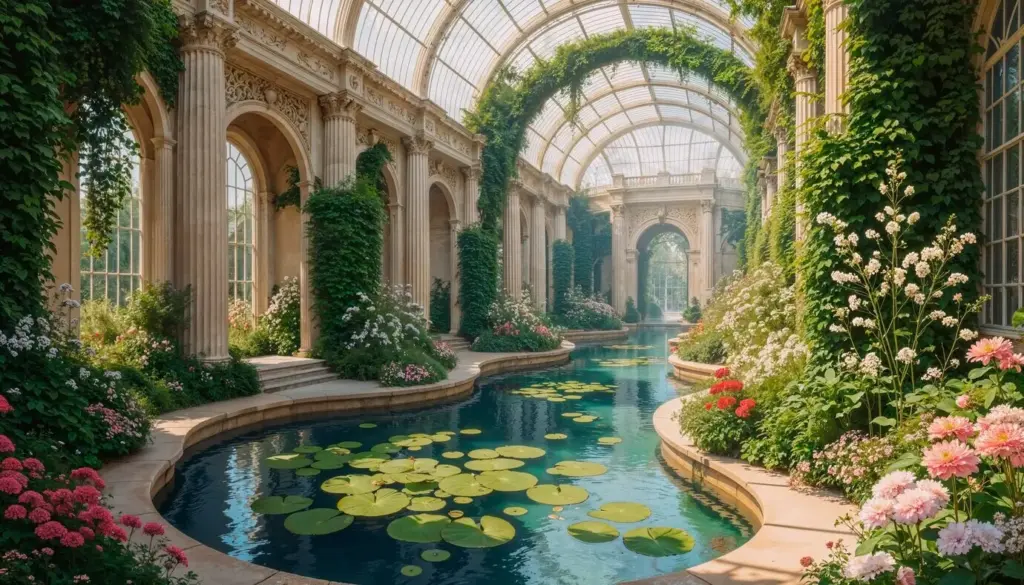
People adapt, yet physics remains stubborn. Use local temperature, humidity, and wind data to place comfort targets realistically, then pair them with shading, air movement, and radiant strategies. Avoid one-size-fits-all rules; align expectations with climate seasons, occupancy patterns, and clothing choices.
Why humidity changes everything
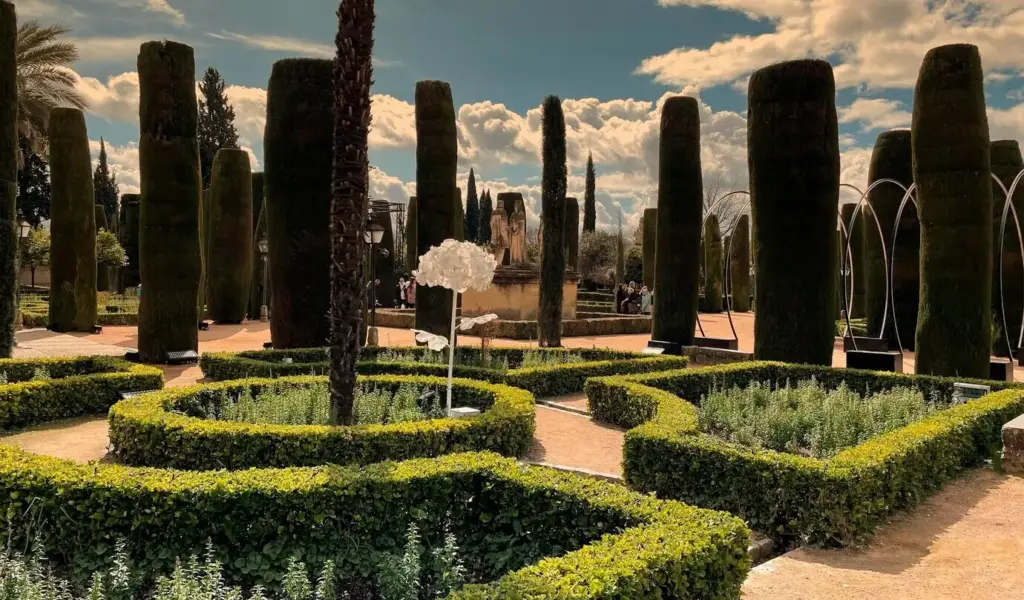
High moisture throttles sweat evaporation, so breezes and dehumidification feel magical in sticky air. In contrast, arid heat welcomes evaporative cooling and night purges. Plot points on the psychrometric chart to see which passive moves pull conditions toward comfort without mechanical crutches.
The importance of daily temperature swing
Where nights drop sharply, thermal mass becomes a free battery charged by cool darkness. Where nights stay warm, lightweight assemblies that shed heat quickly perform better. Choose wall and roof strategies by measured swing, not hope, anecdotes, or aesthetic preference alone.
Solar Discipline: Shade First, Then Everything Else
The cheapest, quietest cooling often begins outside. Control sun before it enters: tune orientation, overhangs, fins, vegetation, and colors. Hot-humid buildings crave continuous shade and glare control; hot-dry forms welcome calibrated winter sun while blocking brutal summer angles.

Facades that forgive harsh light
Design vertical shading tuned to latitude and street orientation. Combine deep verandas, screen walls, and operable louvers to block low sun while keeping views. Mix reflective finishes with textured surfaces to break glare, cool surfaces, and invite soft daylight deeper indoors.

Roofs as heroic shields
A blazing roof can sabotage comfort more than any wall. In hot-humid locales, favor high-reflectance, vented assemblies with radiant barriers and generous overhangs. In hot-dry regions, consider roof ponds, pergolas, or ventilated double skins that temper sun while enabling night cooling.

Cross-ventilation that actually happens
Sketch arrows later; first confirm pressure paths. Align openings to prevailing breezes, separate inlets from outlets, and size paths generously. Use insect screens, trickle vents, and louvered doors to keep air moving even when privacy, rain, or security matters.
Stack effect and wind towers in dry heat
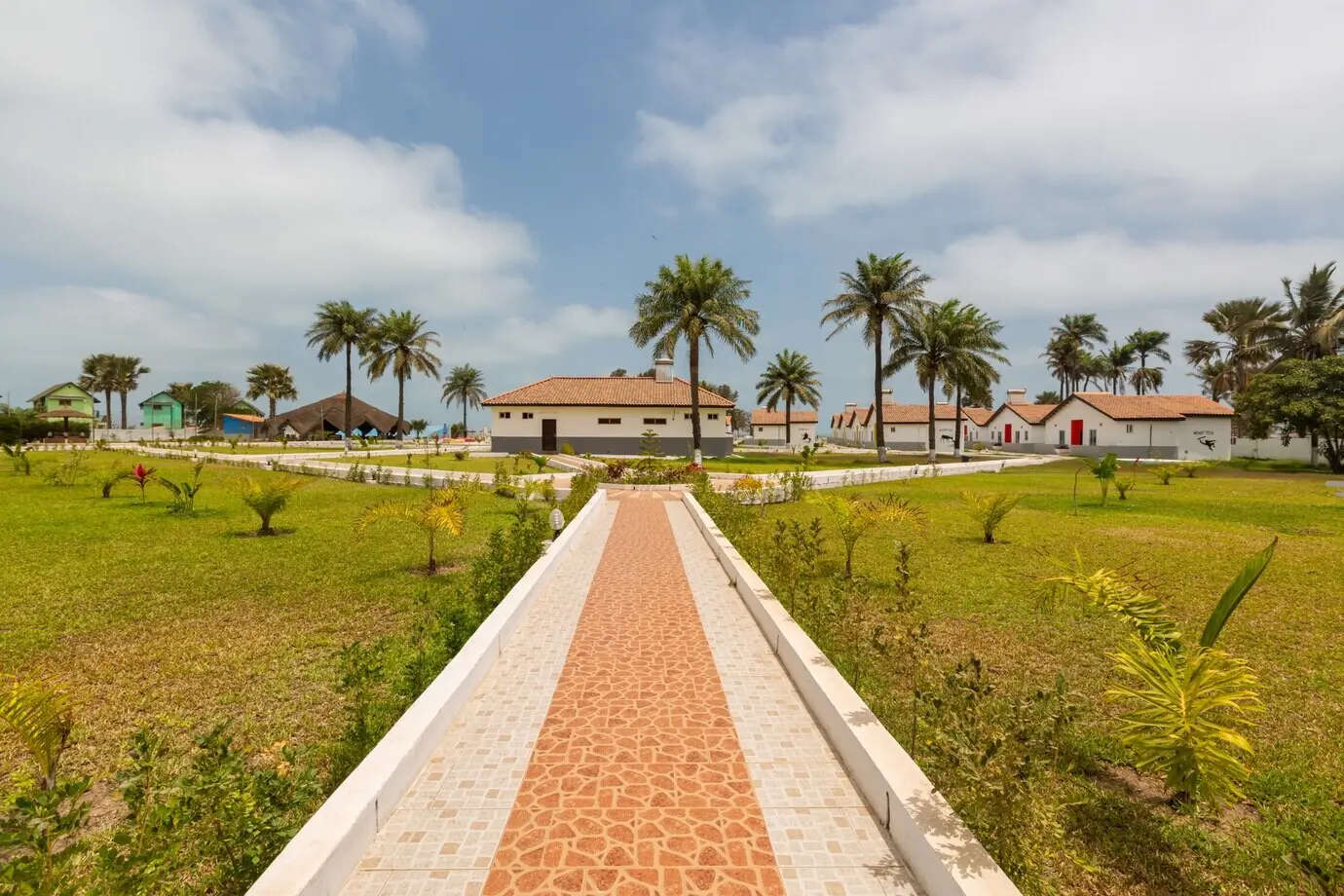
In arid regions, tall exhaust stacks or traditional wind catchers harvest pressure differences to draw deep, steady flows. Pair shaded inlets with cooled courtyards or wetted media, then sweep air across thermal mass to absorb heat before exhausting skyward.
Materials That Work With, Not Against, Weather
Choose assemblies that cooperate with local physics. Hot-humid success favors lightweight, well-shaded, well-insulated, moisture-managed envelopes that dry fast. Hot-dry excellence embraces shaded mass, selective insulation, and breathable finishes that store coolness by night and release it gently by day.
Thermal mass placement with intention
Mass belongs where it sees night purges but hides from direct sun. In arid climates, expose interior masonry to flushed night air; in humid climates, avoid bare heavy walls that soak heat and resist drying unless strictly shaded and ventilated.
Insulation and radiant barriers done right
Reflect heat before it enters by using radiant barriers in attics and ventilated cavities. Add continuous insulation outside structure where climates demand, interrupting bridges. Balance R-value with mass and ventilation strategies so assemblies do not trap moisture or delay drying.
Moisture-safe walls and roofs
In sticky climates, specify vapor-open, water-tight layers that vent quickly. Detail generous overhangs, capillary breaks, and drained cavities. In dry climates, prevent dust intrusion and surface overheating while preserving breathability, ensuring finishes age gracefully without blistering, salt blooms, or hidden rot.

Indirect evaporative cooling for arid sites
Cool incoming air without adding moisture by passing it through a heat exchanger bathed in evaporatively chilled water. Pair with shading and dust filters. The result is crisp supply air that soothes occupants while preserving indoor finishes and storage.

Water, plants, and microclimates
In hot-dry courtyards, shallow rills, shaded pools, and dense plantings can drop perceived temperatures dramatically. In hot-humid settings, prefer elevated planters and breezy greenery that dries fast, preventing mold while softening glare, calming streets, and welcoming social life outdoors.
Lessons From Places That Refuse To Swelter
Vernacular buildings encode field-tested wisdom. Coastal houses on stilts chase breezes and shed rain; desert cities sculpt shade and harvest cool nights. Learn from these patterns, then adapt with modern materials, community needs, and codes, keeping the spirit while improving performance.
Raised wooden homes along steaming coasts
From Southeast Asia to the Gulf Coast, elevated timber dwellings invite wind under floors, dry quickly after storms, and stretch generous eaves over shaded galleries. Update with stainless connectors, screened porches, and low-e fans to multiply comfort while respecting regional craft.
Desert courtyards and the wisdom of shade
Thick walls, narrow lanes, and leafy courtyards cool ancient settlements from Yazd to Jaisalmer. Recreate their comfort by layering arcades, fountains, and night-purged rooms, then add sensors and automation that protect water, maintain air quality, and document real-world gains.